SONAR June 23, 2024 Erdkinder 3 mins read Author: Sri Chaitanya Etta, Grade 9 Abstract – This article presents a report on the Procedure, …
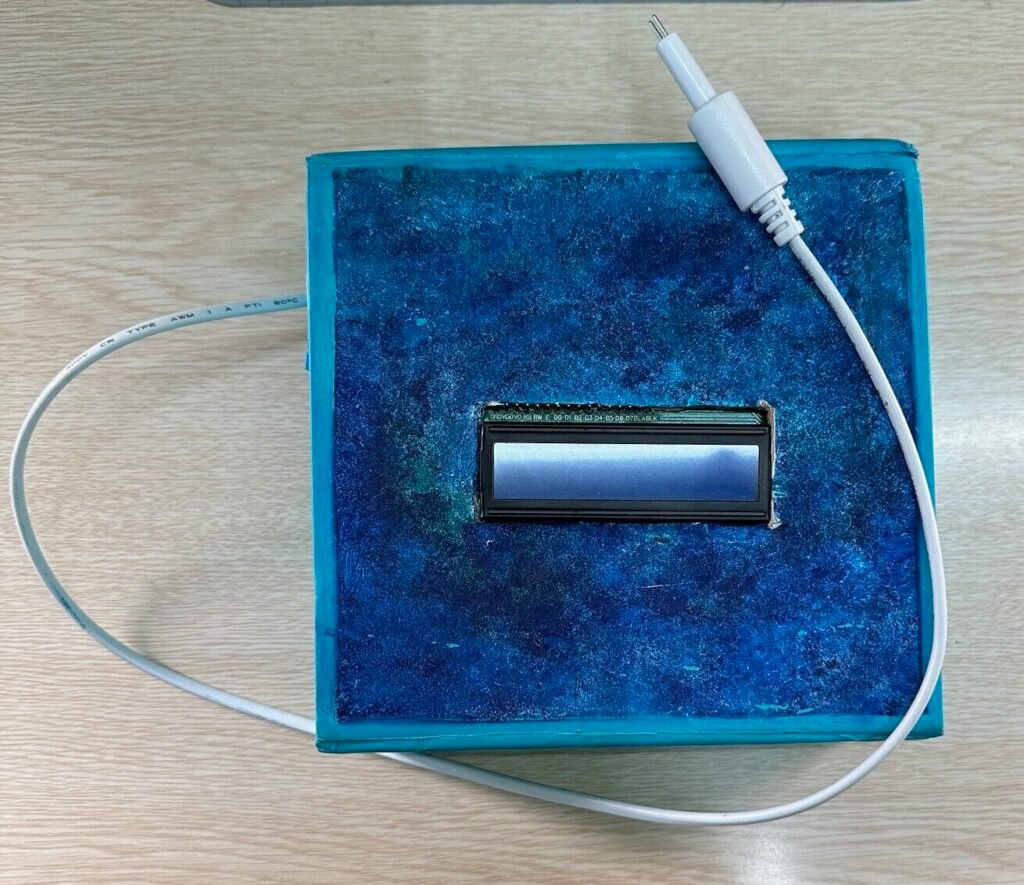
Abstract – This article presents a report on the Components, Scientific theory, Procedure and Precautions required to be taken for making a TDS Meter that detects the presence of salt in water. The method shown in this article can be used to make a TDS meter which can be manually monitored and used according to one’s convenience.
A TDS meter is a mechanical device that detects the total dissolved salt (TDS) levels in the water. We use a TDS meter to measure the TDS of the nutrient water in our tank. TDS is measured in PPM which means parts per million.

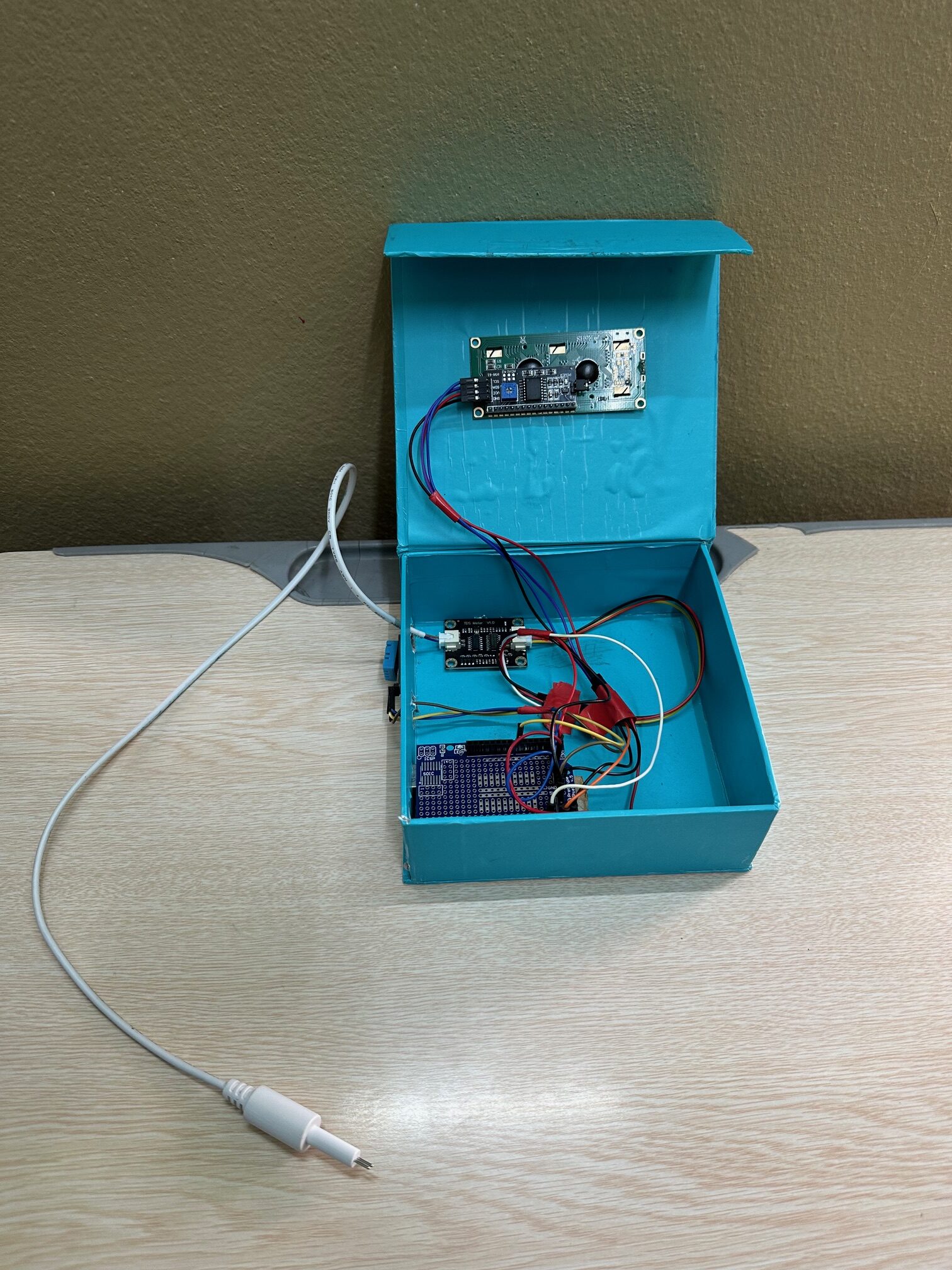
To make a TDS meter, 4 main electronic components are needed : TDS sensor, DHT 11 temperature sensor, LCD display and Arduino.
The main component is the TDS sensor. It has a cable which senses the electrical conductivity of the solution it is dipped into.
The electrical conductivity is then multiplied by a proportionality constant to give the value of TDS, all of this takes place in the Arduino which is a microcontroller.
A DHT11 temperature sensor, judging by its name, measures temperature as temperature plays a crucial role when calibrating the TDS meter.
LCD display stands for liquid crystal display. This electronic component displays output based on how it is coded.
TDS meter measures the total dissolved solids level. The TDS meter has a cable which is inserted into the water. This is an AWM type cable (Appliance Wiring Material) and it is made of copper and polyvinyl chloride (PVC). The copper in this wire detects the electrical conductivity of a solution. The electrical conductivity plays a vital role in the calculation of TDS:
TDS=electrical conductivity x proportionality ratio.
The electrical conductivity of the water will vary according to the amount of salt in it (due to which TDS will be different for different substances) because normal water is a bad conductor of electricity but salt water is a good conductor of electricity.
When the positive ion(Cation) of an alkaline substance reacts with the negative ion (Anion ion )of an acid:
2Na ( s ) Sodium + Cl 2 ( g ) Chlorine → 2NaCl ( s )
In this reaction, two atoms of sodium which are basic in nature react with two atoms of chlorine which are acidic in nature to form two molecules of sodium chloride.
In this image we can see a LCD and a potentiometer connected to the Arduino. The TDS sensor is also connected to the Arduino.
A TDS meter will help us know the concentration of salts in a particular sample of water and take necessary precautions.
DIY Bluetooth Speaker June 23, 2024 Erdkinder 3 mins read Author: Shriya Ancha, Shourya Pandre and Tanish Regalla – Grade 8 https://www.youtube.com/watch?v=d9-v0knbxOYAbstract – …
Buzz Wire Game June 23, 2024 Erdkinder 4 mins read Author: Meghana Kata, Grade 8 https://www.youtube.com/watch?v=AEVFCjcY16k Abstract – This article presents a report on …
Buzz Wire Game June 23, 2024 Erdkinder 7 mins read Author: Shourya Pandre, Shriya Ancha and Tanish Regalla, Grade 8 https://www.youtube.com/watch?v=UtO0q00V3awAbstract – This …
Quadcoptert June 23, 2024 Erdkinder 7 mins read Author: Nevan Carey Meduri, Grade 9 https://www.youtube.com/watch?v=YTARGWTjj5E Abstract – This article presents a report on …
© Copyrights 2025 by Pragnya Montessori School All rights reserved. - Designed and Developed By Galaxy Tech Solutions
© Copyrights 2025 by Pragnya Montessori School All rights reserved. – Designed and Developed By Galaxy Tech Solutions